Small Appliance Manufacturers in China: How Industrial Clusters Affect Supplier Choice
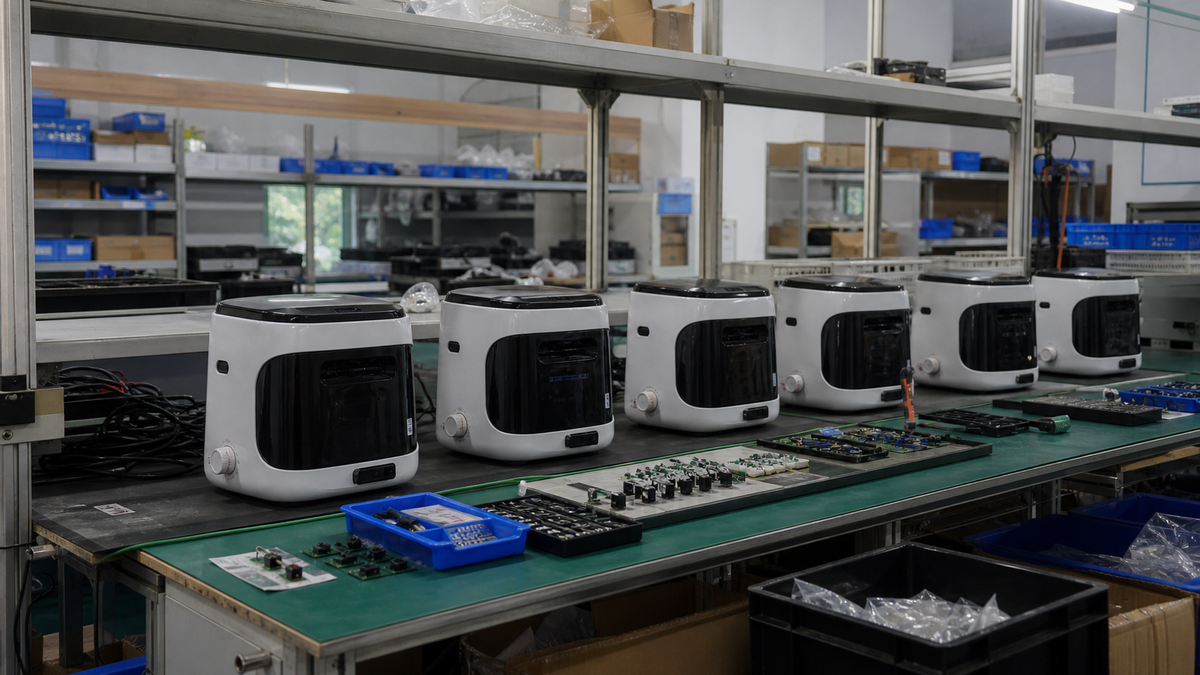
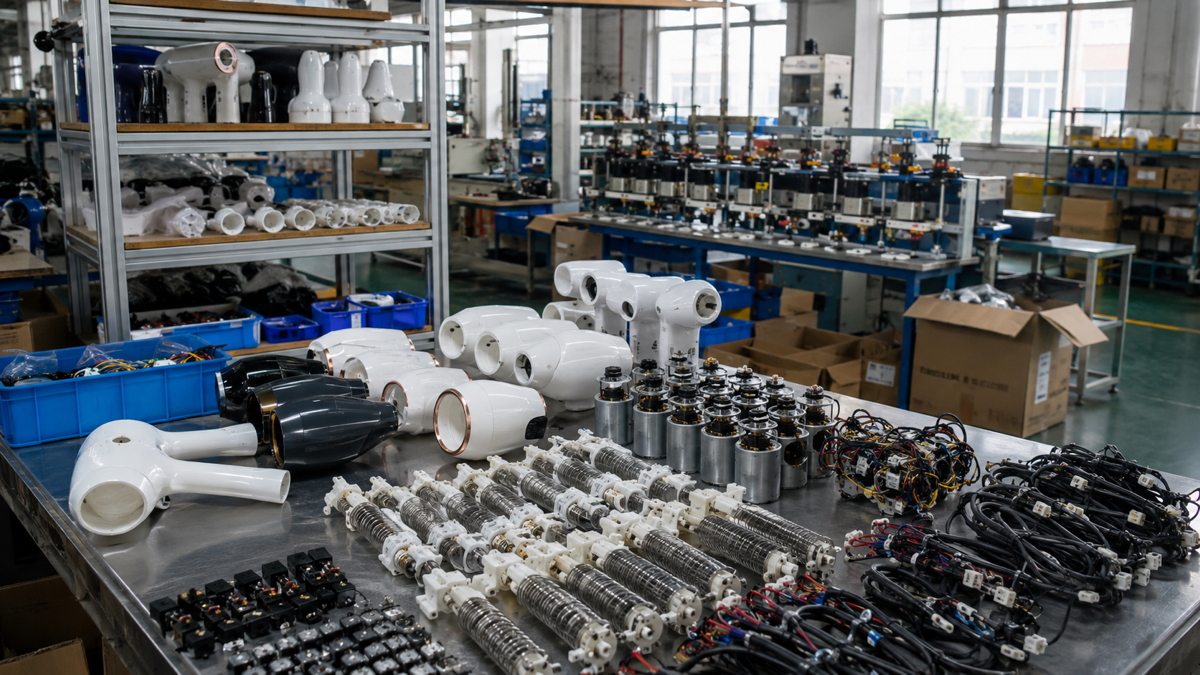
Finding small appliance manufacturers in China is not only a factory search. A hair dryer, heater, or similar product may depend on heating elements, motors, plastic housings, switches, electronics, molds, packaging, testing, and final assembly. The speed and control of the project often depend on how well that supplier network works together.
Manufacturing regions such as Cixi are frequently presented as examples of dense small-appliance ecosystems. Proximity can be valuable, but buyers should not accept claims about a “30-minute supply circle” without evidence. The useful question is simpler: can the proposed factory show how its local network improves product development, quality control, and recovery when something changes?
Why Cluster Density Can Help Small-Appliance Projects
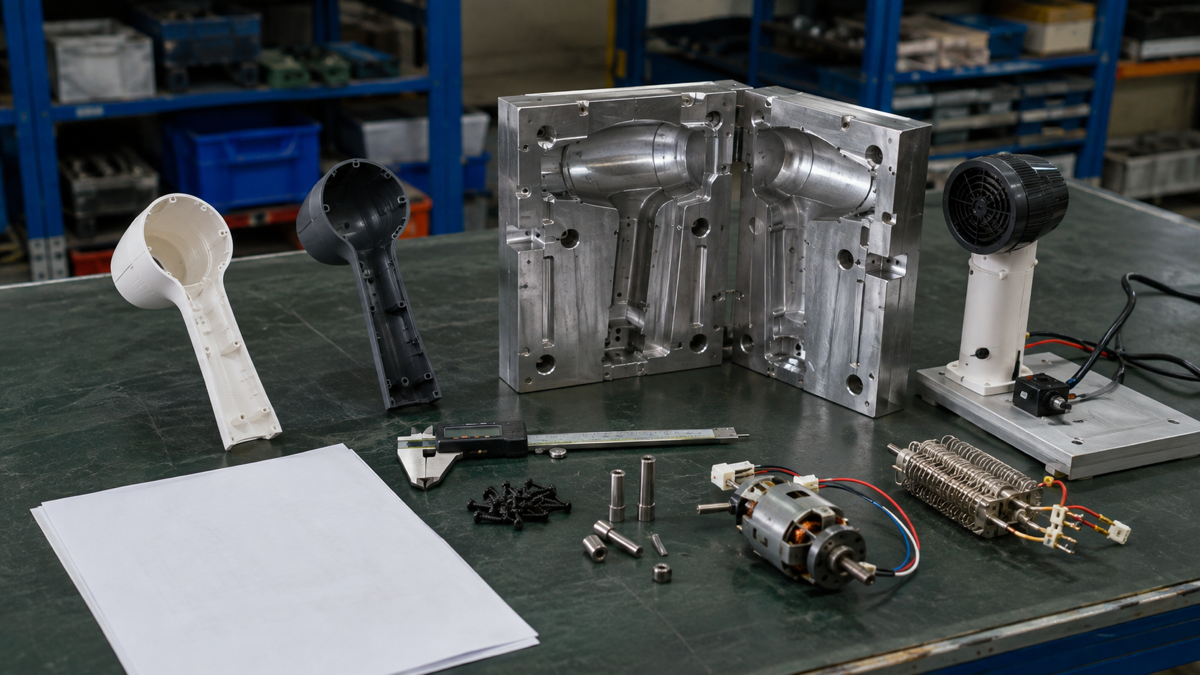
When component, tooling, testing, and assembly resources are close, a capable team may be able to discuss problems faster. A housing tolerance can be reviewed with the mold supplier. A motor alternative can be sampled without rebuilding the entire route. Packaging, labels, and test fixtures can be coordinated before mass production.
That can support faster prototype development in China, but distance alone does not guarantee performance. A nearby supplier may still lack stable capacity, documented specifications, change control, or the right quality system. A mature cluster creates options; supplier verification determines whether those options are real.
For home appliance sourcing in China, begin by defining the product and its critical parts. CreLink's product sourcing categories can help frame the product route before factories are compared.
Five Checks for a Small Appliance Supplier Network
1. Map the Critical Components
Ask the assembler to identify the makers of the motor, heating element, electronics, housing, cord set, switches, and other risk-bearing parts. Record which components are standard, customized, single-source, or replaceable. A supplier list without part numbers, specifications, and responsibilities is not a usable map.
2. Verify Tooling Control
Clarify who designs, owns, stores, maintains, and modifies each mold. For a new shell or handle, review the drawing revision, tolerance points, sample approval, and repair process. Fast iteration is useful only when changes are authorized and traceable.
3. Test the Prototype Feedback Loop
Give each candidate the same product brief and open-issue list. Compare how quickly and clearly the factory identifies risks, proposes tests, records changes, and returns an updated sample. Do not judge speed only by a promised number of hours or days; judge the completeness of the evidence returned.
4. Check Backup Sources Before You Need Them
For each critical part, ask whether an alternative has already been technically reviewed. Confirm whether a substitution would change safety, performance, appearance, compliance, price, or lead time. A second supplier is not a backup until the buyer has approved the relevant evidence.
5. Connect the Network to Quality Control
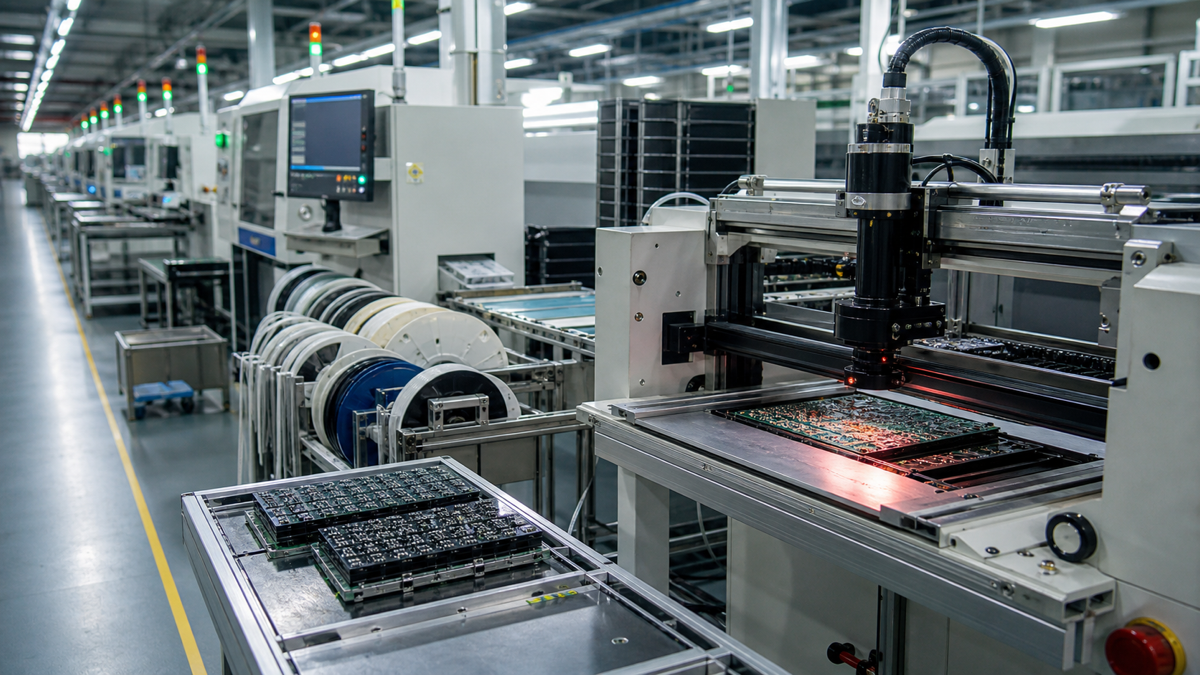
Review incoming inspection, assembly checks, functional testing, packaging control, defect containment, and corrective action. A supplier network evaluation should show how quality information moves between the component maker, assembler, tooling partner, and buyer.
A structured supplier screening and factory verification process can test whether the claimed network exists and whether it fits the product, order volume, and target market.
Compare Complete Routes, Not Headline Costs
A lower assembly quotation can hide slower sampling, distant tooling support, weak component alternatives, or repeated international shipments. Conversely, a dense Chinese industrial cluster does not automatically make every factory the right choice.
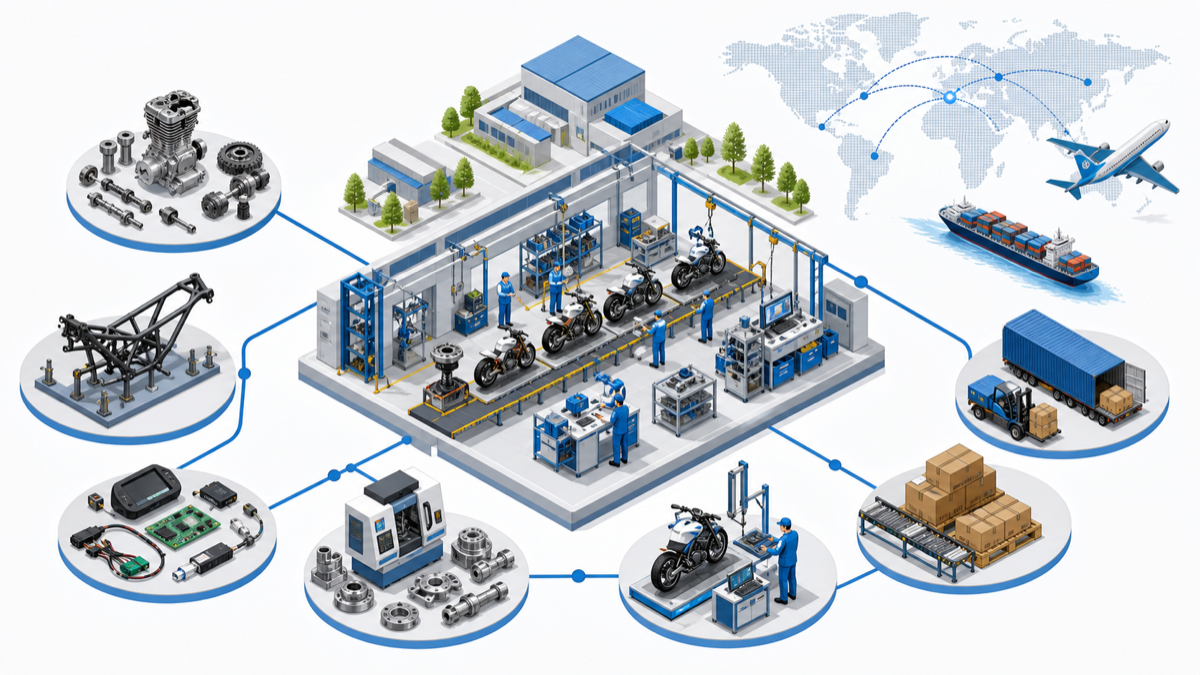
Compare complete routes: component access, engineering response, tooling control, test capability, backup sources, quality management, logistics, and communication. Buyers considering diversification can also review the quality-control implications of a China+1 route before separating assembly from its upstream support network.
The value of a China sourcing agent or China sourcing company is not simply collecting quotations. In product sourcing in China, the commercial value comes from making supplier networks comparable, verifying factory claims, coordinating samples, and keeping changes connected to QA/QC. A credible supplier verification service should turn “everything is nearby” into a documented route the buyer can evaluate.
Build a Verifiable Small-Appliance Route
Industrial clusters can improve coordination, but buyers still need product-level and factory-level evidence. Define the product, map the critical parts, test the prototype process, verify tooling and backups, and connect each supplier to a clear quality plan.
If you are developing a small appliance, send CreLink your small-appliance brief, including the target market, key functions, expected order range, critical components, customization scope, and validation requirements. CreLink can help assess the supplier and cluster route before a larger commitment.