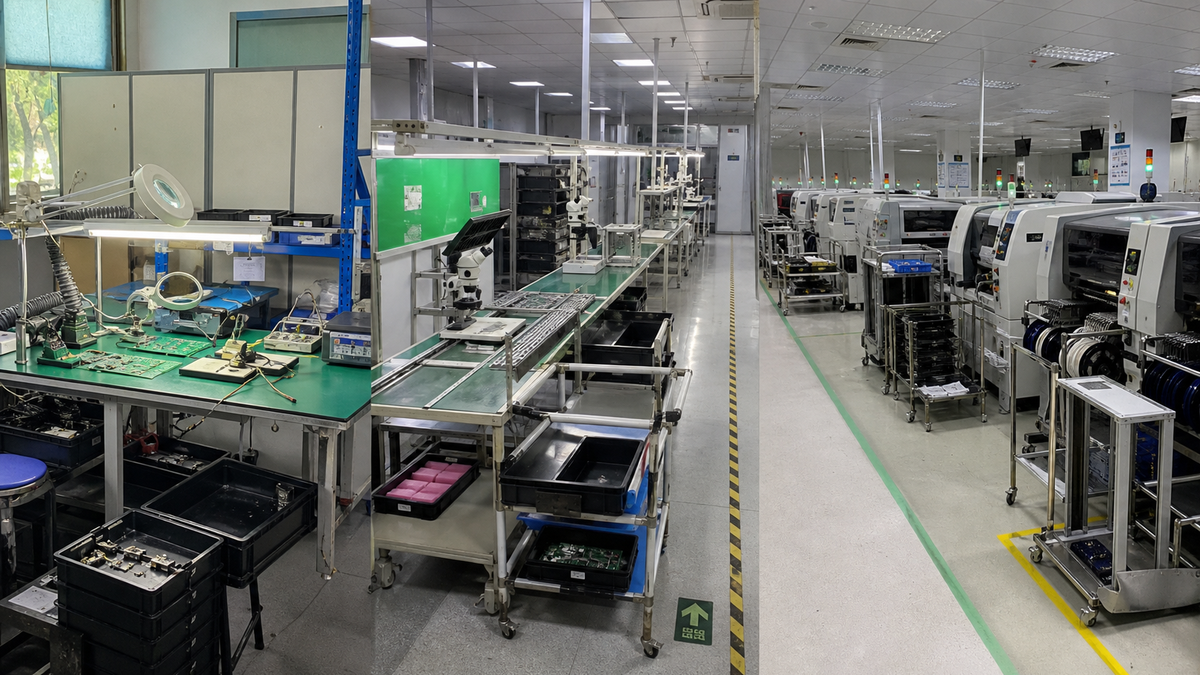
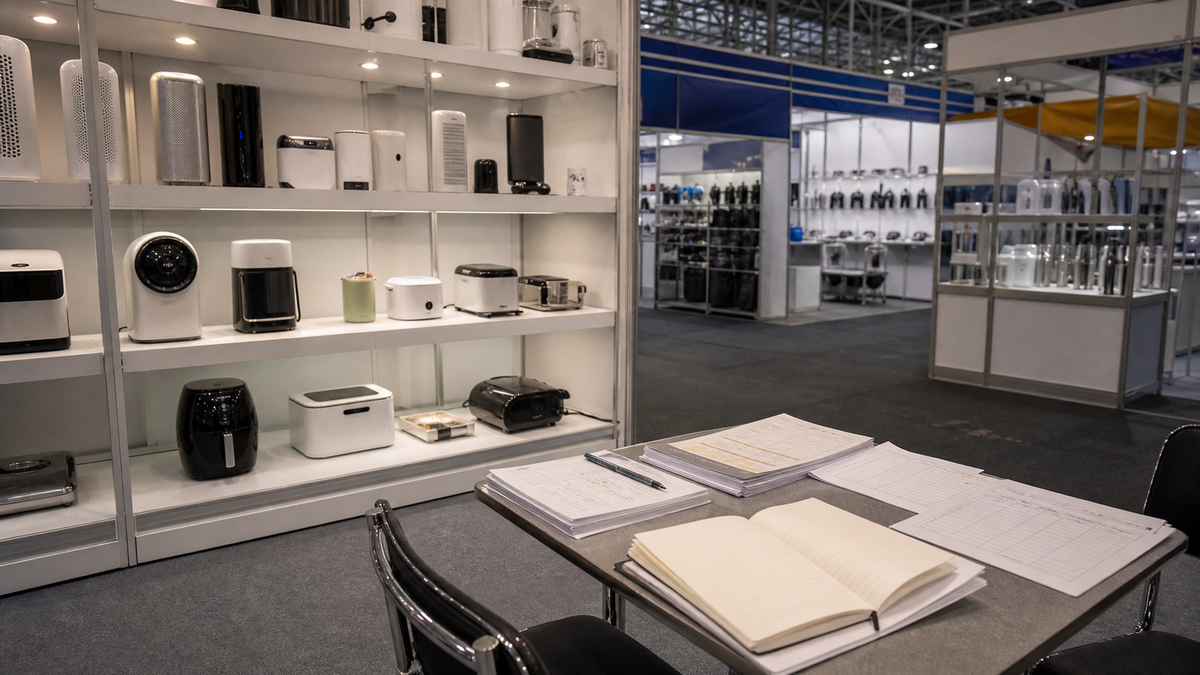
China Motorcycle Supply Chains: How Buyers Evaluate Clusters
China motorcycle supply chain decisions should not start and end with a single factory quotation. For a buyer developing a motorcycle, e-bike, power-sports part, or related accessory, the surrounding supplier ecosystem can affect how clearly technical changes, quality issues, and sourcing risks are handled.
A finished motorcycle or related product is supported by many specialist capabilities. That does not prove that every supplier in a region is suitable, or that a production promise will be met. It means buyers should learn how the product moves through the local network before choosing a partner. Because the current CreLink site does not have a dedicated motorcycle category page, the Products directory is the appropriate category-level route for now.
Look Beyond The Final Assembler
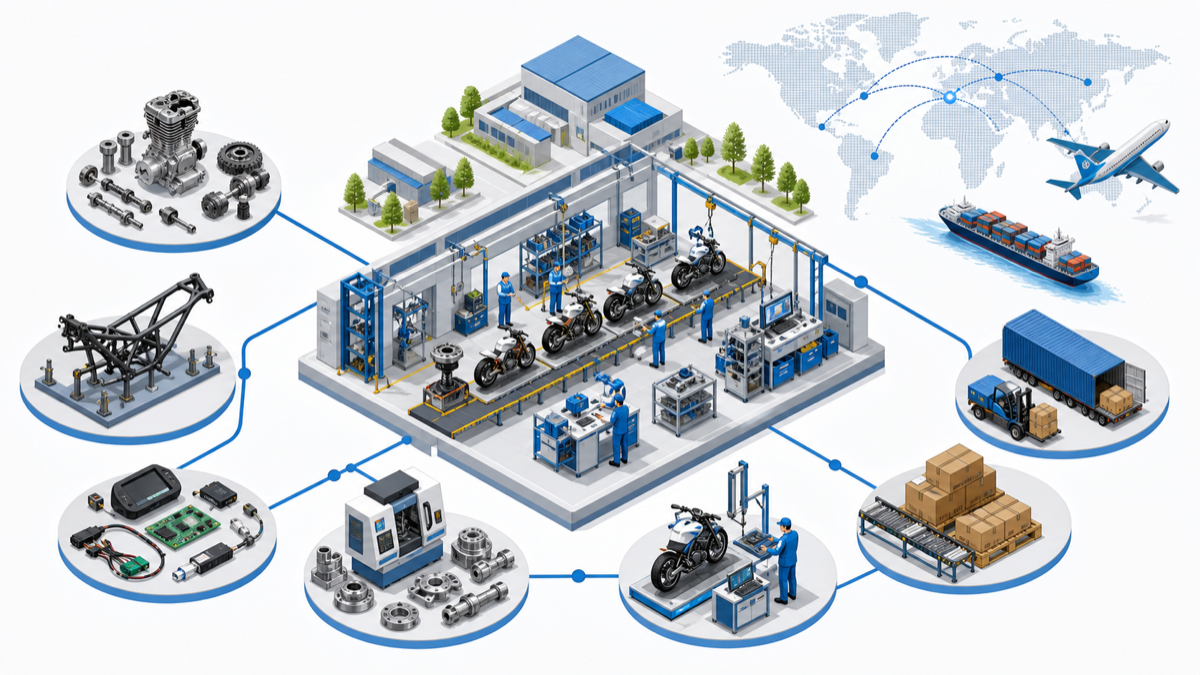
An assembler may coordinate engines, frames, wiring, electronics, suspension, tooling, packaging, and export documentation. The right questions are therefore broader than “Can you make this?” Start with the actual bill of materials and ask which operations are performed in-house, which are outsourced, and who owns each critical production step.
For industrial cluster sourcing, map the suppliers around the proposed factory. A useful map identifies the main component categories, the location of key partners, the alternatives available for high-risk parts, and the party responsible for technical changes. This gives a buyer a practical view of dependency rather than a marketing list of nearby companies.
Test The Cluster's Fit For Your Product
A cluster can be strong in a broad category while still being a poor fit for a specific product. For example, a supplier may have experience with standard two-wheelers but limited familiarity with your control unit, materials specification, compliance requirements, or aftermarket packaging.
Use a structured motorcycle supplier verification checklist:
- Review representative products and the processes used for comparable components.
- Ask for the supplier's role in tooling, engineering drawings, sampling, and change control.
- Identify the upstream source for critical mechanical and electronic parts.
- Discuss how incoming materials, assembly, and finished goods are inspected.
- Clarify who communicates a component substitution or production exception.
The aim is not to demand proprietary information. It is to establish whether the supplier can explain its operating system and escalate decisions responsibly.
Turn Location Into Evidence
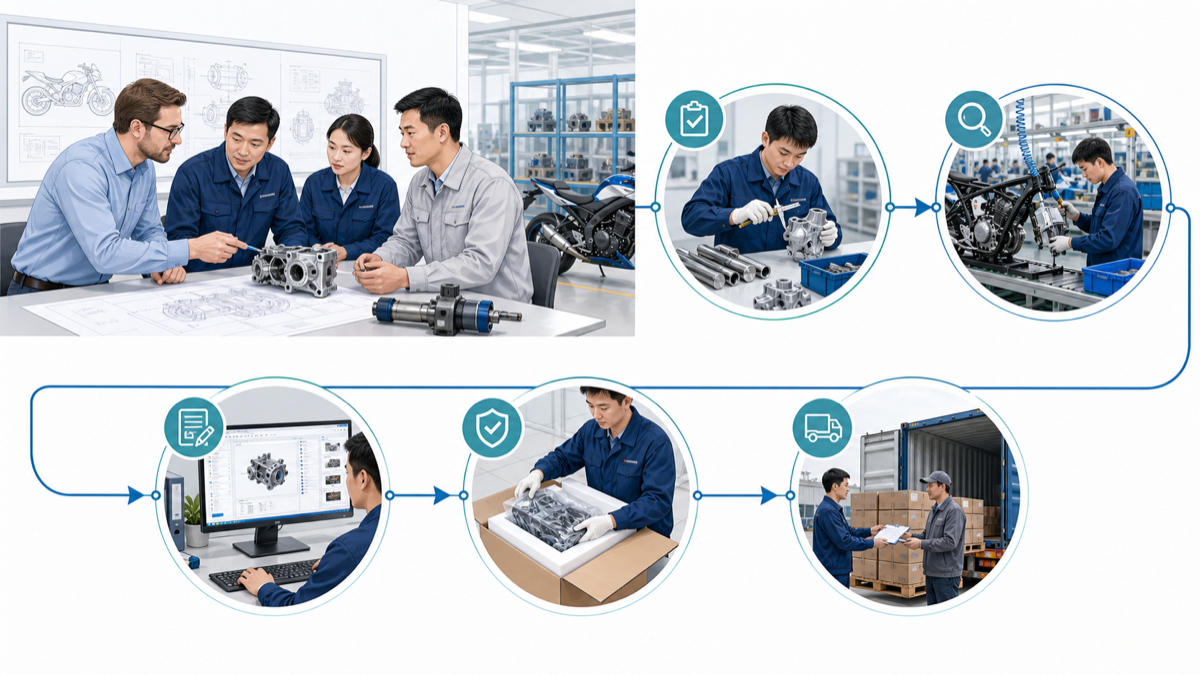
Cluster proximity can be useful when it creates access to relevant skills, suppliers, and production services. Buyers still need evidence for each individual partner. A focused factory audit and supplier-network review can connect the sales discussion to the real production environment: equipment, process flow, quality checkpoints, records, packaging preparation, and the people accountable for decisions.
Where a supplier relies on external partners, include those dependencies in the audit plan. Review how the assembler qualifies outsourced processes, approves parts, tracks lots, and handles nonconforming materials. This approach makes supply chain management visible at the level where risk is actually managed.
Build A Decision Path Before Scaling
Before placing a larger order, translate findings into a short decision path: confirmed capabilities, open questions, documents to review, required samples, and checkpoints for the next stage. A pilot run or controlled sample review can be more informative than trying to judge the entire ecosystem from a booth visit or a presentation.
For supplier sourcing in China, a China sourcing agent should connect the assembler with component evidence and a practical factory audit route. CreLink supports buyers with industrial-cluster research, supplier screening, factory visits, technical follow-up, quality planning, and logistics coordination. To review a motorcycle or component project against the cluster's actual capabilities, send CreLink the product brief and target volume.