Canton Fair Supplier Screening: 3 Booth Traps Buyers Should Avoid
The Canton Fair gives buyers a fast way to discover products and meet potential suppliers. It does not give enough evidence to choose a core manufacturing partner from one booth conversation. Displays are designed to attract attention, samples are selected for presentation, and sales teams are prepared to make the first meeting feel easy.
Effective Canton Fair booth screening has a narrower goal: identify which companies deserve structured follow-up. Before entering the halls, define the product category, required market, quality expectations, customization needs, and order range. Those criteria are more useful than the size of a stand or the number on a first quotation.
Trap 1: Treating Booth Polish As Supplier Proof
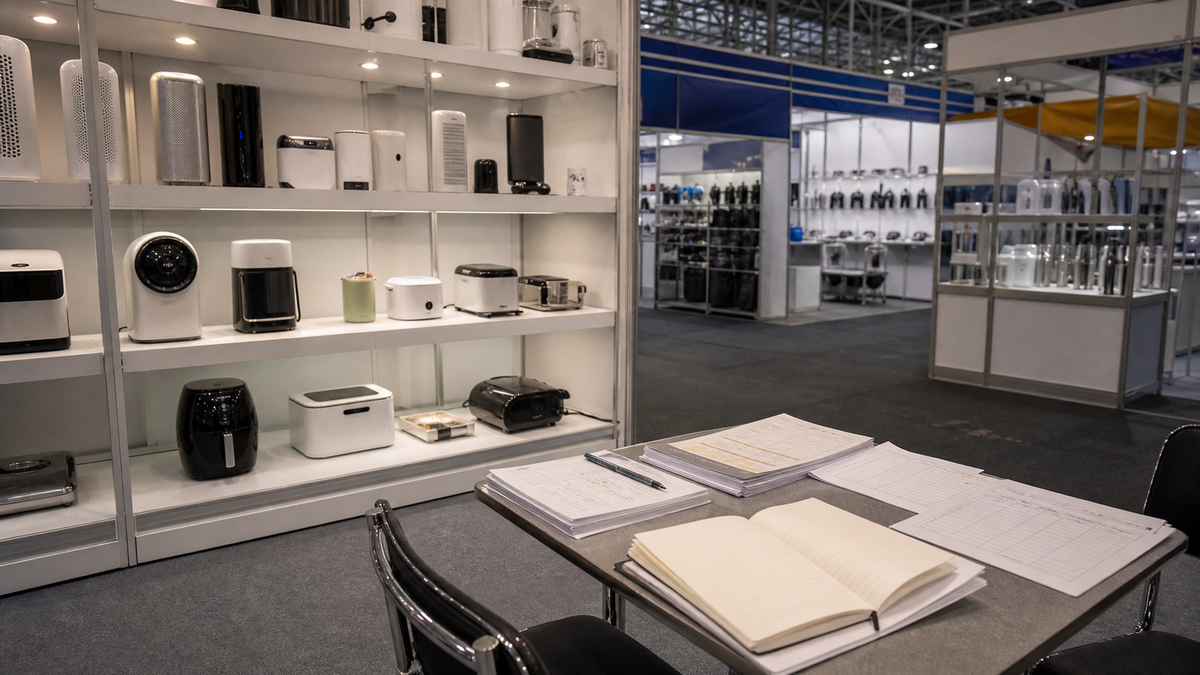
A large, well-designed stand may belong to a capable manufacturer, a trading company, a brand, or a group representing several factories. A modest stand may also hide strong engineering or production capability. Appearance alone does not resolve the supplier's role.
Use the booth as a place to collect verifiable details. Ask for the company's legal name, office location, factory location, and the product lines it actually makes. Ask which processes are performed in-house and which are handled by upstream partners. Record the names of the people responsible for engineering, quality, and export follow-up.
None of these answers proves capability on the spot. They create a trail that can be checked after the fair.
Trap 2: Making “How Much?” The First Question
Price without a defined specification is difficult to compare. Two quotations may cover different materials, components, testing, packaging, customization, payment terms, or quality controls. Asking only for the lowest unit price encourages a fast answer before the operating requirements are clear.
Start with questions that reveal fit:
- Which product category is the supplier strongest in?
- Where is the relevant production site located?
- What information is needed before a reliable quotation can be prepared?
- Can the supplier explain its sample, pilot-run, and quality-control process?
- Who approves component or material substitutions?
Strong answers should be specific enough to verify later. Hesitation is not automatic proof of a problem, especially when language or staffing affects the conversation, but vague answers should become follow-up items rather than assumptions.
Trap 3: Trying To Finalize A Core Supplier At The Fair
Trade fairs compress discovery, not due diligence. A short meeting cannot show whether the supplier can repeat sample quality, control changes, support customization, or recover when production issues occur.
Finish each booth visit with a simple decision: reject, hold for clarification, or add to the shortlist. For shortlisted companies, record the open evidence needed after the fair—documents, technical calls, samples, factory visits, or production-process checks. This keeps the team from confusing a positive conversation with an approved supplier.
Turn Booth Conversations Into A Verification Route
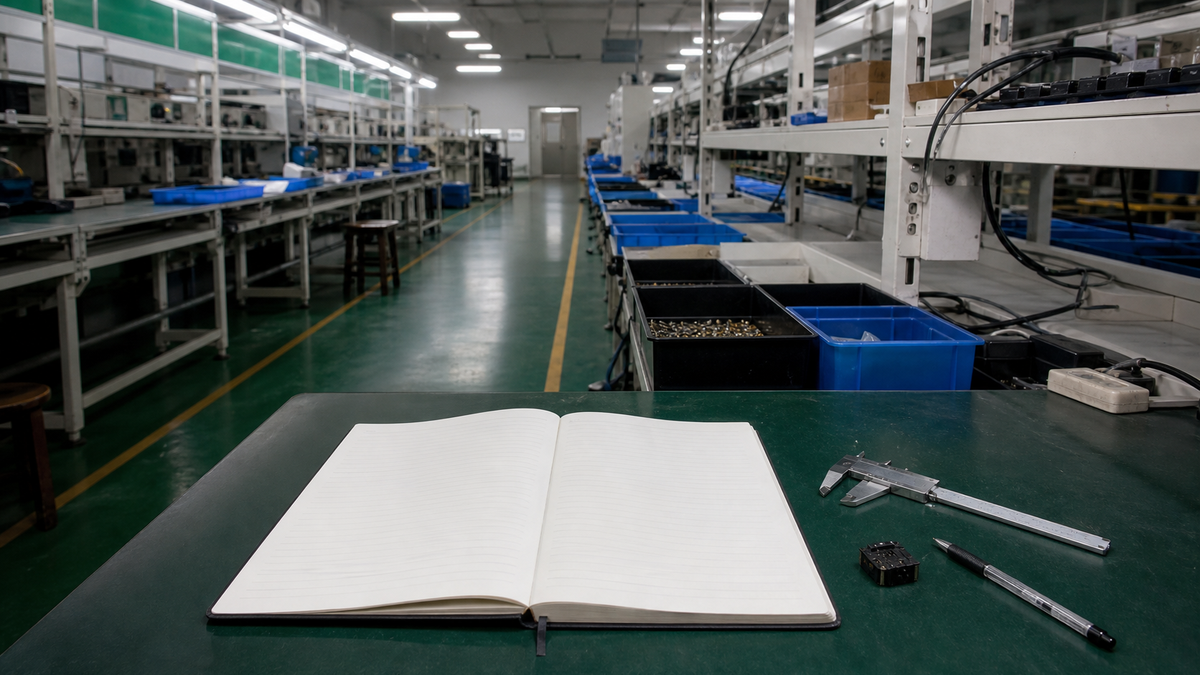
The most useful fair result is not a large stack of catalogs. It is a short list of candidates compared against the same requirements, with clear questions still to answer.
A China sourcing agent should connect trade-show discovery with a supplier verification service and, where appropriate, a factory audit route. CreLink's supplier screening and factory-visit support adds industrial-cluster context, technical interpretation, factory review, and documented follow-up. The aim is not to dismiss polished exhibitors or favor small booths. It is to make every supplier compete on relevant evidence.
If you are planning a Canton Fair sourcing trip, share the category, fair dates, and shortlist. CreLink can help turn the exhibition floor into a focused post-fair verification route.