Small vs. Large Factories in China: How to Choose
When buyers ask how to choose a Chinese manufacturer, factory size can look like a convenient shortcut. A small factory may appear flexible, while a large factory may seem safer. Neither assumption is reliable on its own.
The right supplier is not automatically the one with the most workers, the largest building, or the lowest quotation. It is the factory whose production system fits your product maturity, order volume, critical processes, quality requirements, and decision speed.
What Factory Size Really Tells You
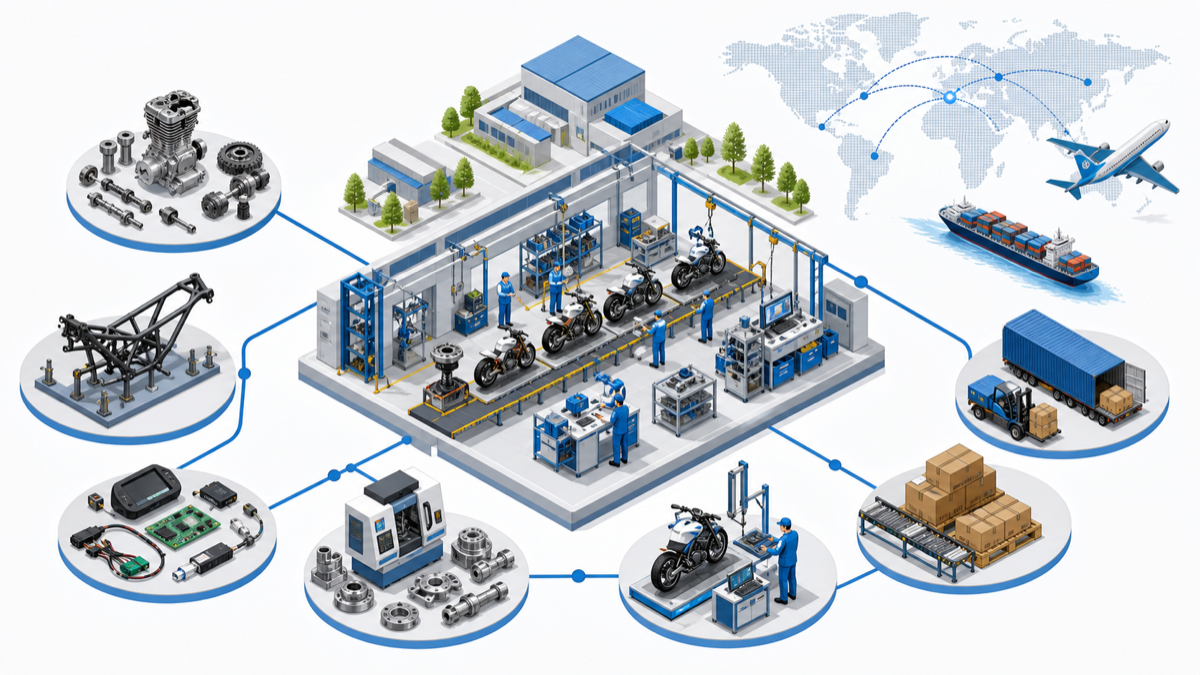
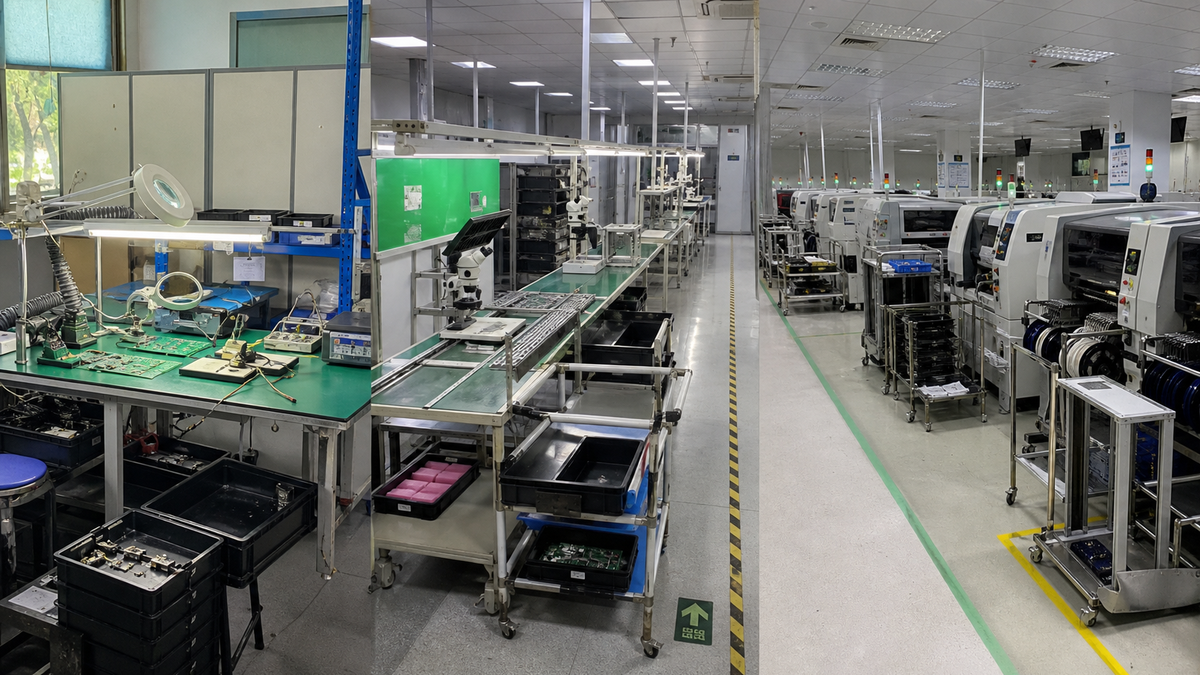
Headcount is only one signal. Two factories with a similar number of employees may operate very differently because one automates key processes while the other relies on manual assembly. A supplier may also outsource tooling, surface treatment, electronics, testing, or packaging, so the visible facility does not represent its complete production network.
Instead of treating factory size as a fixed employee range, examine the operating system behind it:
- What is produced in-house, and what is subcontracted?
- Which equipment and production lines are available for your product?
- How much of the factory's capacity is already committed?
- Who owns engineering changes, process approval, and quality decisions?
- Can the supplier support your forecast without making you an unimportant account?
These questions reveal usable capacity and control. A factory tour that only shows floor area does not.
When A Smaller Factory May Fit
A smaller manufacturer can be suitable for early-stage projects, limited product ranges, or orders that require close communication. Decision paths may be shorter, and the buyer may receive more direct access to the owner or engineering team.
The risks also require attention. A compact team may depend heavily on a few people, have limited backup equipment, or use less formal quality records. Before choosing it, check whether critical processes are controlled, whether inspection standards are documented, and what happens when a key machine or supplier becomes unavailable.
When A Larger Factory May Fit
A larger manufacturer may offer broader equipment, more specialized departments, formal quality systems, and greater production capacity. This can help mature products with stable specifications and sustained demand.
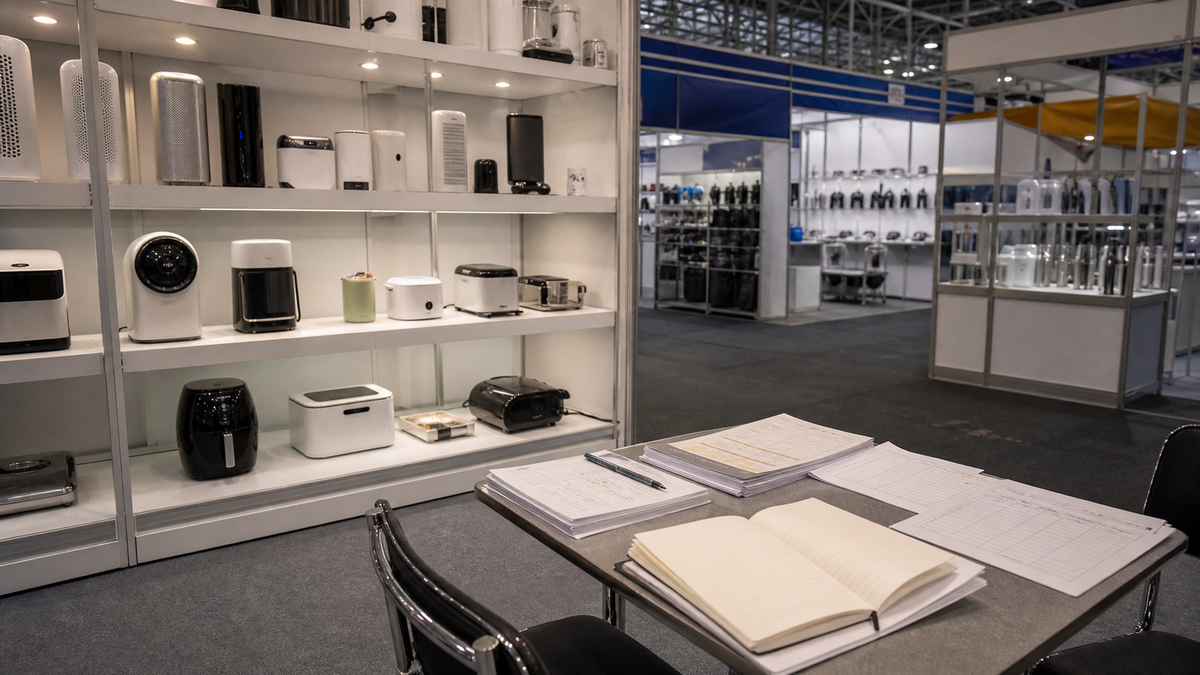
Size can also create friction. Larger factories may require higher commercial thresholds, longer approval chains, or less flexibility for frequent changes. Your order must be important enough to receive appropriate engineering, scheduling, and management attention. A famous customer list or polished showroom does not prove that your project will receive that support.
Why Mid-Sized Is Not Automatically The Answer
Mid-sized factories are often described as a balance between flexibility and control. That can be true for a particular project, but it is not a universal rule. A buyer still needs evidence that the supplier controls the relevant technology, capacity, subcontractors, and quality process.
Start with the product, not the label. The CreLink product sourcing categories can help define the industry and process context before a supplier shortlist is built.
Use Five Checks To Match The Factory
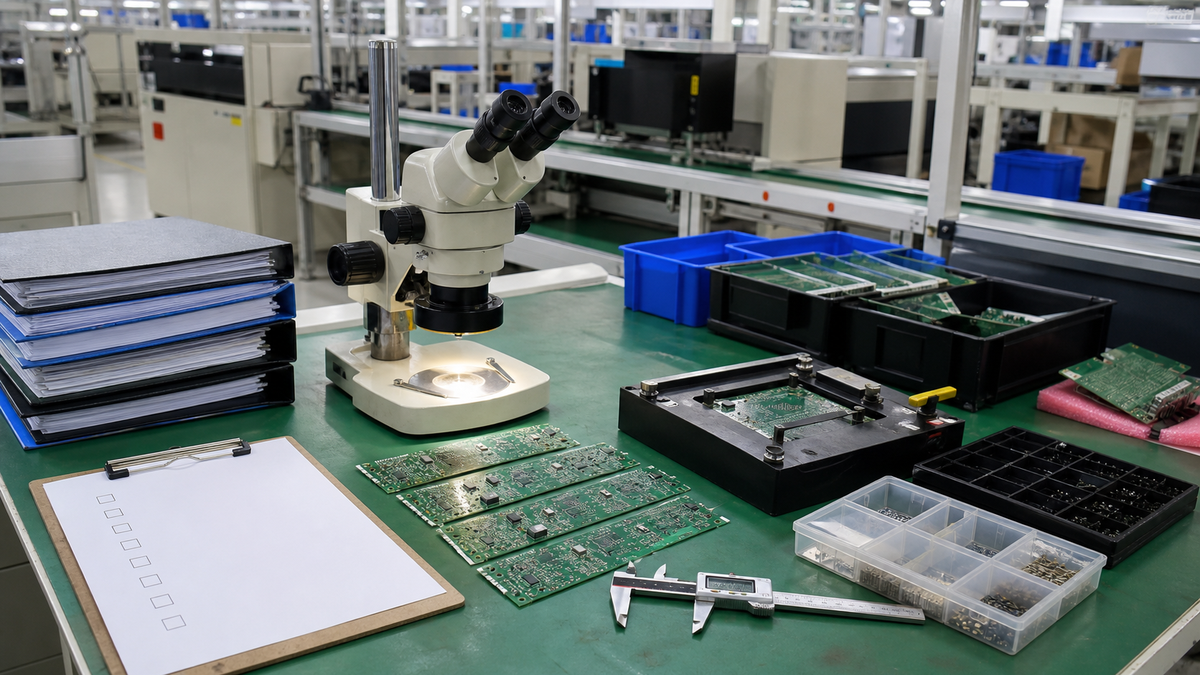
Compare shortlisted manufacturers across five practical areas:
- Capacity fit: Review normal output, committed capacity, peak-load plans, backup equipment, and realistic expansion options.
- Process fit: Confirm which critical operations are in-house and how outsourced processes are approved and monitored.
- Quality fit: Examine incoming, in-process, functional, and pre-shipment controls for your actual product.
- Engineering fit: Identify who controls drawings, bills of materials, samples, tooling, firmware, and change approval.
- Commercial and communication fit: Compare order expectations, payment terms, response paths, escalation contacts, and your likely account priority.
Do not compare quotations until their assumptions match. A lower price may exclude testing, packaging, tooling, inspection, or materials that another supplier included. Normalize the specification and scope before treating a price difference as real savings.
Verify The Match Before Scaling
Documents and video calls can narrow the list, but they do not fully show production reality. A China sourcing agent can coordinate a supplier verification service without treating size as proof. Structured supplier screening and factory audit support can connect the quotation to equipment, operators, records, subcontractors, quality checkpoints, and accountable managers.
For a new relationship, use a sample or controlled pilot to test the actual workflow. Record approved specifications, defect criteria, inspection points, change-control rules, packaging requirements, and escalation responsibilities before increasing volume.
Choosing between small and large factories is therefore not a search for the “best” size. It is a supplier-fit decision. To evaluate that fit, share your product brief and target volume with CreLink, together with the critical processes and quality requirements that cannot be compromised.