Industrial Cluster Sourcing: A Supply Chain Resilience Guide
Introduction
Comparing factory wages can make a sourcing decision look simple. Yet supply chain resilience in China depends on more than the lowest labor rate. A production site may rely on components, molds, packaging, testing, and logistics providers located far away. When one link fails, the buyer can lose time even if the assembly quotation looked attractive.
One potential advantage of established Chinese manufacturing regions is cluster density. Specialized suppliers and service partners may operate near one another, which can shorten communication loops, expand replacement options, and make production problems easier to investigate. Buyers should treat those benefits as capabilities to verify, not assumptions to accept.
Why Cluster Density Matters
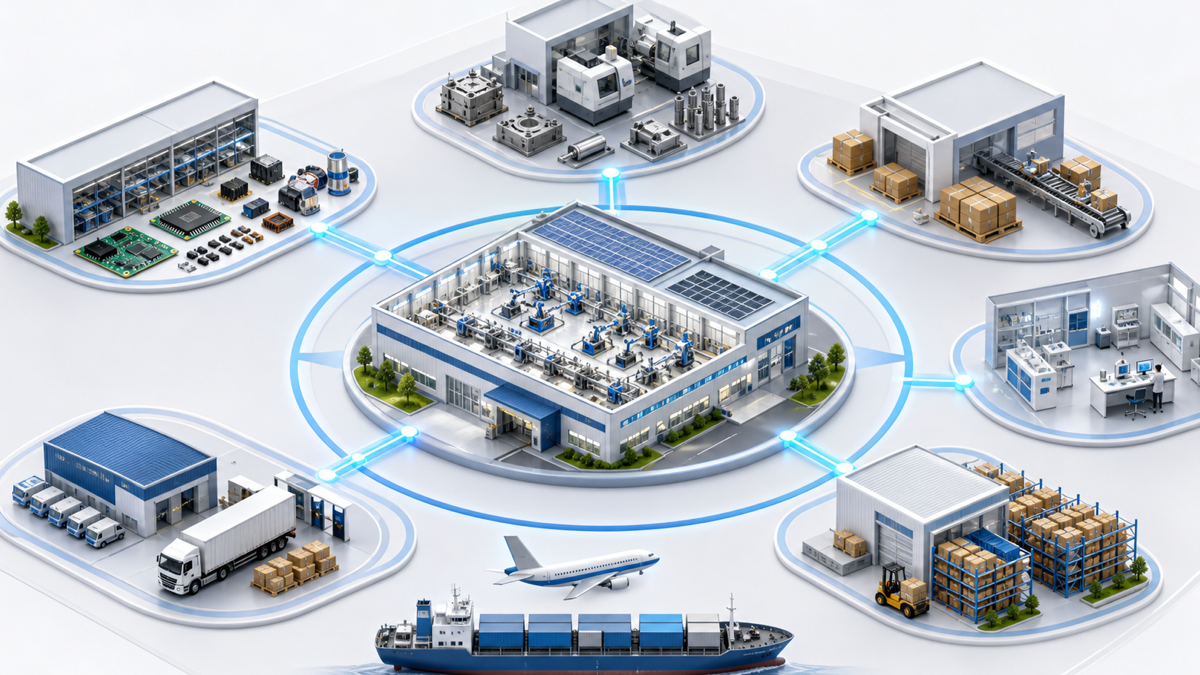
A factory rarely controls every input required for a finished product. Smart electronics, home appliances, lighting, security devices, and other technical categories can involve circuit boards, plastics, metal parts, tooling, firmware, packaging, testing, and freight coordination.
When those resources sit inside a mature industrial cluster, teams can review issues together and adjust more quickly. A tooling specialist can discuss tolerance problems with the assembler. A component alternative can be sampled without rebuilding the entire sourcing route. A quality team can trace defects across process boundaries.
This does not make every clustered supplier reliable. It means the buyer has a wider local ecosystem to evaluate during supplier verification. The CreLink product sourcing directory can help define the category before mapping its supporting supplier network.
Six Checks For Supply Chain Resilience
Before placing an order, test whether the proposed route can recover from disruption:
- Critical component map: Identify which parts have long lead times, limited approved sources, or difficult substitutions.
- Backup supplier evidence: Confirm that alternatives are technically qualified rather than simply listed in a spreadsheet.
- Tooling access: Establish who owns the molds, where they are stored, and who can repair or modify them.
- Process visibility: Review how component changes are approved and communicated to production and QC teams.
- Quality recovery: Ask for the workflow used to contain defects, identify root causes, and approve corrective action.
- Logistics continuity: Check packaging, warehouse, freight, and export-document responsibilities before disruption occurs.
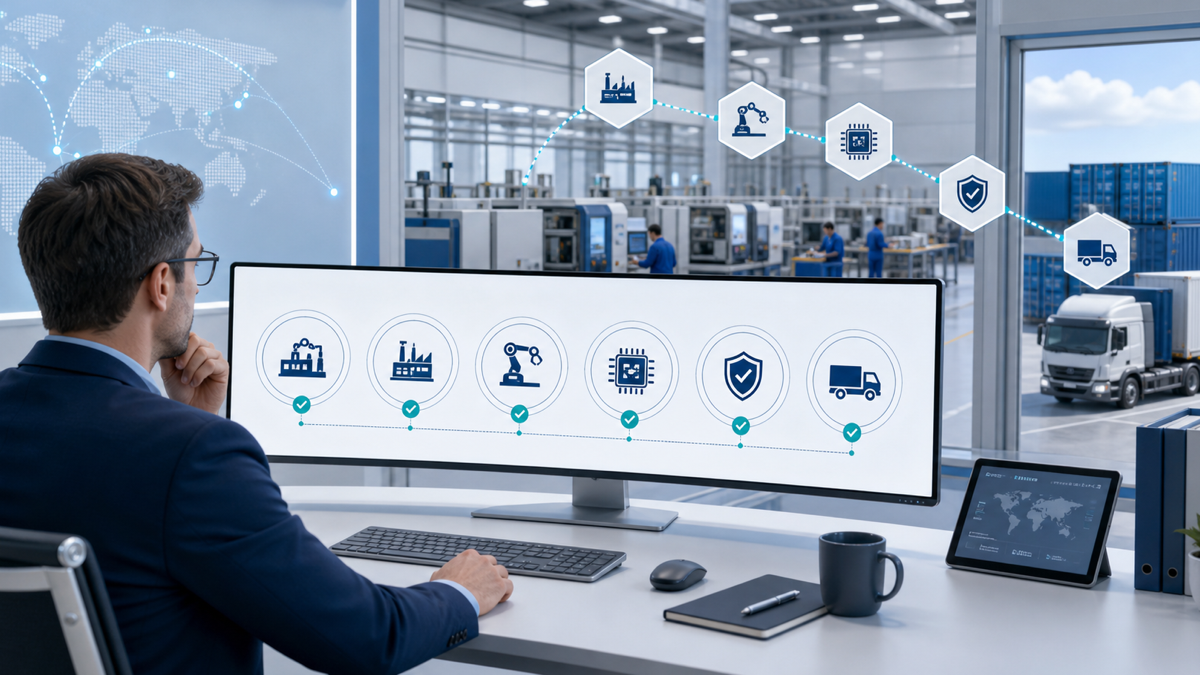
Effective supply chain management connects these checks to the product specification and purchase contract. A backup source is only useful when it meets the same technical and quality requirements.
Compare Routes, Not Just Factories
When evaluating China+1 or any manufacturing relocation, compare complete supply routes. Measure the availability of local components, engineering support, tooling, inspection resources, replacement capacity, logistics options, and communication speed. Then compare those capabilities with the actual needs of the product and sales calendar.
Diversification can still be valuable, especially when it reduces concentration risk. But moving assembly without understanding the upstream ecosystem can create a route that is cheaper on paper and harder to operate.
A China sourcing company supporting product sourcing in China should therefore do more than request quotations. A capable China sourcing and supplier-management service should map the relevant industrial cluster, validate supplier roles, challenge backup plans, arrange factory visits, and document where the route remains exposed.
Build A Verifiable Recovery Plan
Resilience is not a slogan and should not depend on optimistic promises. Buyers need named responsibilities, approved alternatives, change-control rules, quality evidence, and escalation contacts before production begins.
CreLink helps overseas buyers connect product requirements with suitable industrial clusters, supplier filtering, factory verification, customization evaluation, and market-oriented support.
The strongest sourcing route is not necessarily the one with the cheapest assembly line. It is the one that can keep quality and delivery decisions under control when conditions change. To review the dependencies and recovery options in a proposed route, send CreLink the product and supplier map.