Why Chinese Factories Ignore Small Orders—and How Buyers Can Get a Response
When a Chinese factory does not reply to a small-order inquiry, it is easy to assume the quantity is simply too low. Quantity matters, but it is only part of the decision. A supplier also estimates the engineering time, production setup, material purchasing, quality planning, and communication required before it can judge whether the project fits its operation.
For buyers, the practical question is not how to force a reply. It is how to make a small project clear enough for the right factory to evaluate.
Why A Small Order Can Be Hard To Quote
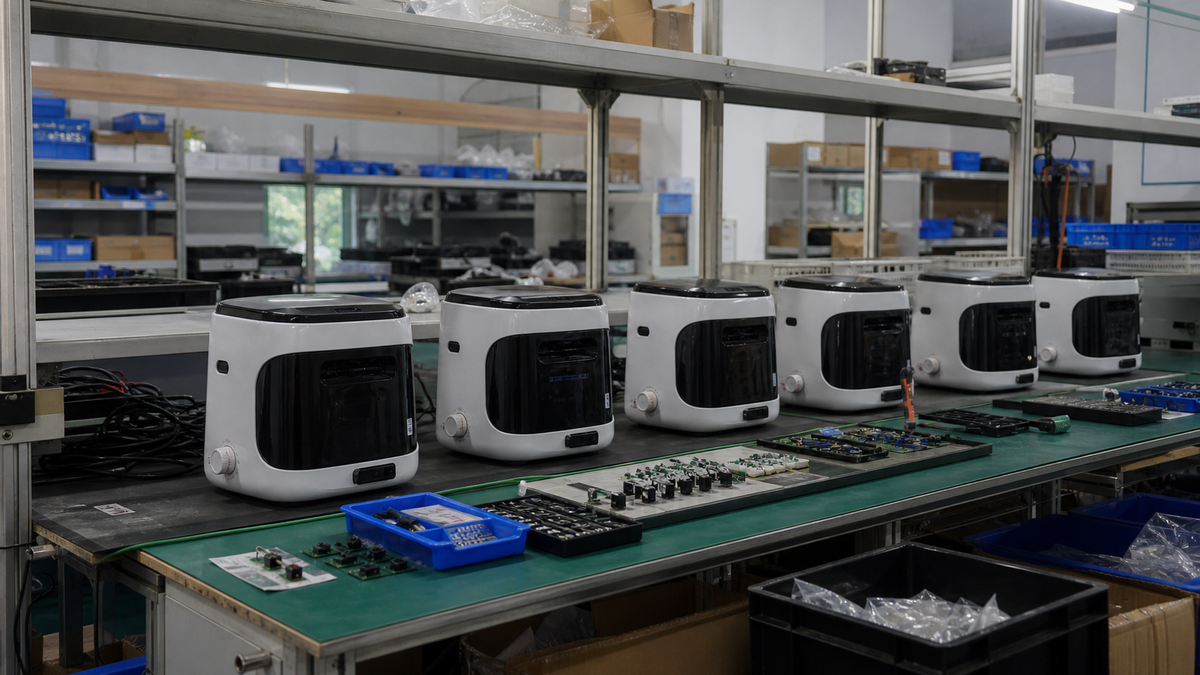
Every new product creates work before the production line starts. The supplier may need to review drawings, source components, prepare fixtures, adjust tooling, create inspection instructions, plan packaging, and reserve line time. Some of that work changes little whether the first run is small or large.
The risk increases when the inquiry also asks for a new mold, special material, custom electronics, unique packaging, and a tight deadline. Without a clear specification or a credible next step after the pilot, the factory cannot easily estimate the effort or commercial value.
This does not mean every factory should accept every small order. It means buyers need to match the project with a supplier whose platform, capacity, and decision process fit the stage of the product.
Reduce Customization That Does Not Prove The Product
For an early run, separate must-have differentiation from changes that can wait. An existing mold, mature module, standard material, or established packaging format may reduce setup work without weakening the core customer value.
Buyers sourcing smart devices can use relevant electronics sourcing categories to identify where mature platforms may already exist. Keep customization where it affects function, safety, target-market requirements, or the buyer experience. Defer cosmetic variation that adds tooling or purchasing complexity without answering an important market question.
Build A Factory-Ready RFQ
A useful low MOQ supplier inquiry gives the factory enough information to assess fit. Include:
- Product function, target user, and sales market
- Reference product, drawing, or specification where available
- First-order quantity and expected variant mix
- Must-have requirements versus acceptable alternatives
- Testing, labeling, packaging, and compliance expectations
- Target timing, with clear priorities rather than an arbitrary deadline
- Conditions that would justify a repeat or larger order
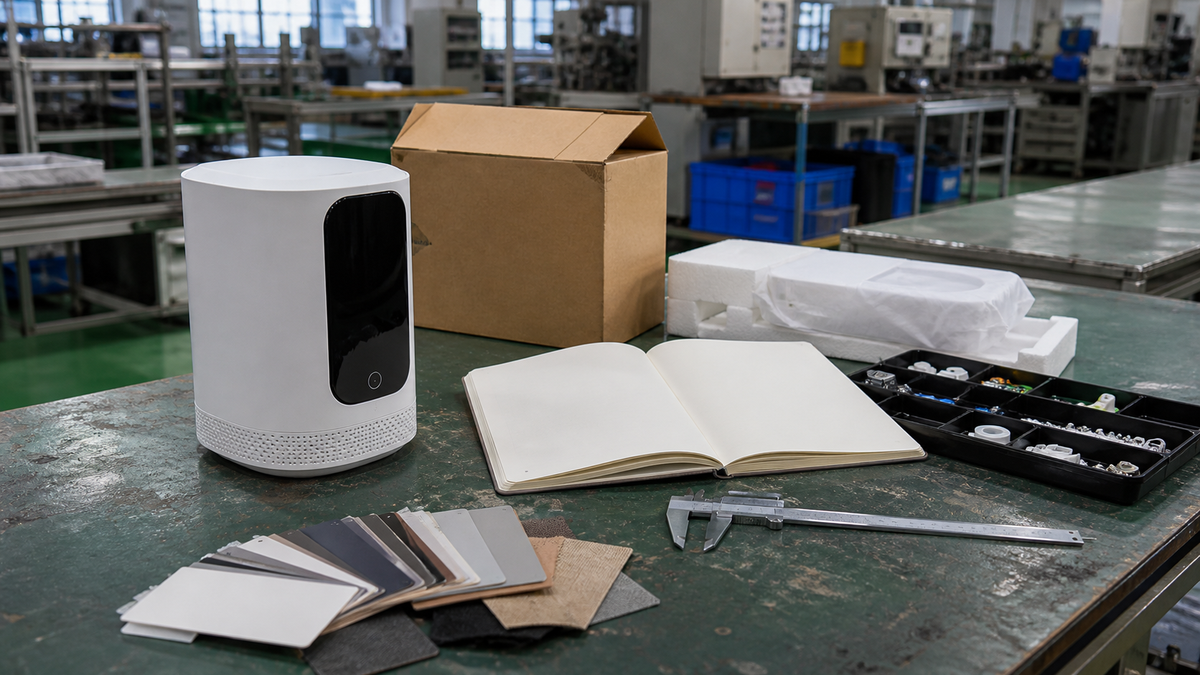
Avoid sending only a product photo with “best price” and a quantity. That forces the supplier to guess the specification, quality level, and work involved. A concise, organized brief makes comparison easier for both sides.
Make The Pilot Economically Workable
Ask the supplier to separate one-time work from recurring unit cost. Depending on the project, a buyer may agree to a setup charge, sample fee, tooling contribution, or higher pilot unit price instead of asking the factory to absorb all early-stage work.
Also discuss the scale-up path honestly. A forecast is not a guarantee, and it should not be presented as one. Explain what the pilot must prove, how feedback will be collected, and what conditions could support a repeat order. Predictability comes from a clear decision process, not an inflated volume promise.
Choose Supplier Fit, Not Just A Famous Name
A large factory may prioritize stable, high-volume programs. A smaller or specialized supplier may be better equipped for controlled iteration. Neither is automatically better. Compare category experience, available platforms, engineering access, quality discipline, capacity, and willingness to support the proposed stage.
For supplier sourcing in China, a China sourcing agent should improve factory communication before simply sending the inquiry to more companies. CreLink provides supplier-fit and factory communication support for buyers who need to translate an early product idea into requirements that suitable Chinese suppliers can assess consistently.
If factories are not responding to your small-order request, revise the project before sending more messages. Share the product brief, target quantity, and scale-up plan, together with the specifications that are fixed and those that can remain flexible.