How to Evaluate Engineering-Led Chinese Manufacturers
Introduction
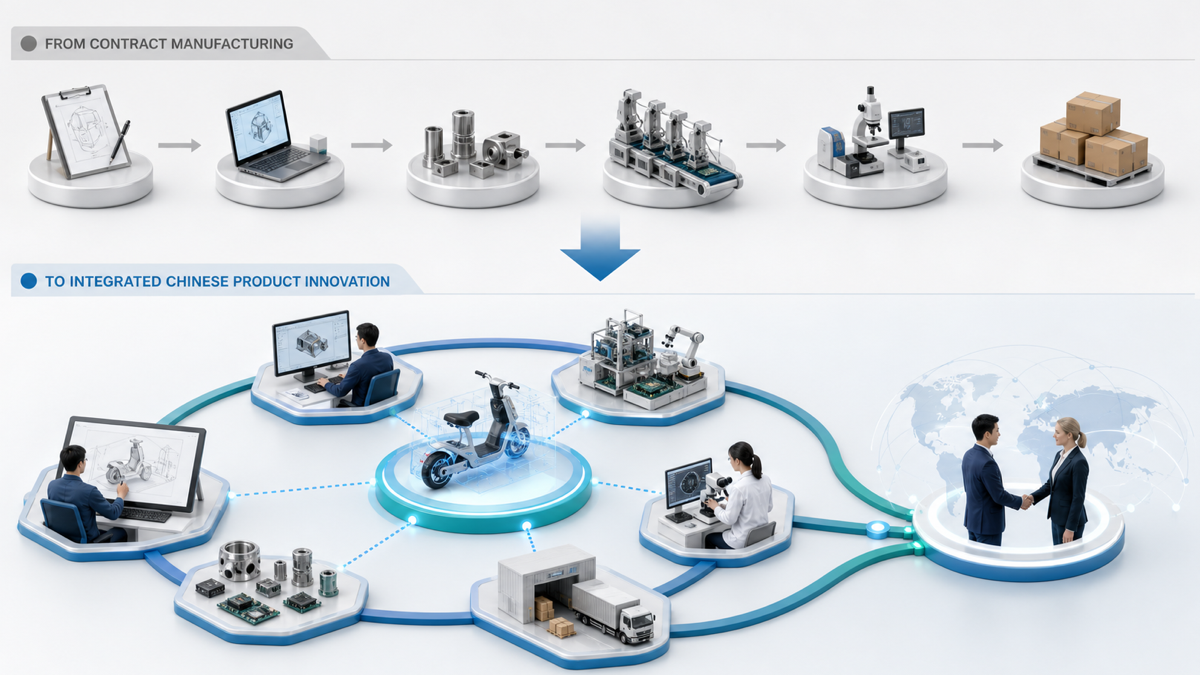
The old sourcing question was simple: can this factory make the product at the required cost and volume? That question still matters, but it is no longer enough. In many Chinese industrial clusters, suppliers now combine design, engineering, component access, prototyping, production, and testing within a tightly connected ecosystem.
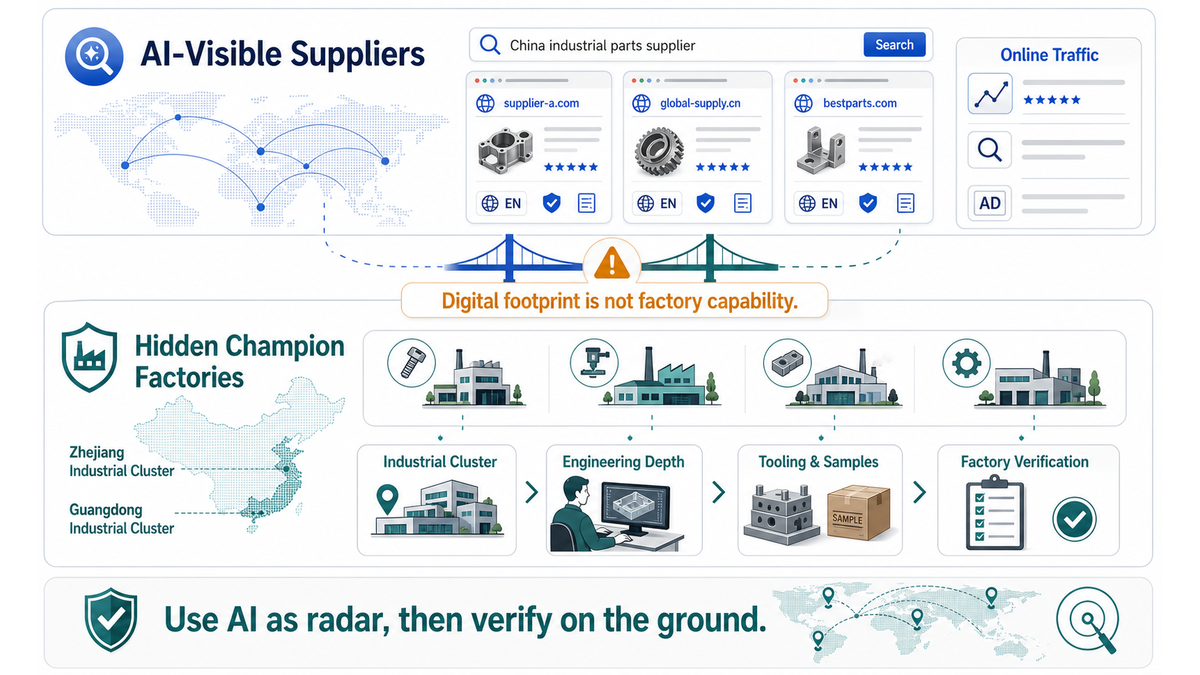
For overseas importers and distributors, this creates a harder selection problem. To understand how to evaluate Chinese manufacturers, buyers need evidence that separates engineering capability from presentation: a supplier may own real product knowledge, or it may only assemble parts and repeat another company's claims.
From Production Capacity To Product Capability
A modern sourcing advantage is not just cheaper labor. It can come from the speed at which designers, engineers, component partners, tooling specialists, production teams, and quality staff solve problems together. Short feedback loops can help a capable supplier turn a concept into a testable product and improve it before mass production.
This is the useful lesson behind the rise of engineering-led Chinese brands in technically demanding categories. Buyers should not assume that every Chinese manufacturer has reached this level. They should recognize that the capability exists and update their sourcing process accordingly.
The goal is to find a partner that understands why the product works, not merely how to copy its exterior. Buyers can use the CreLink product sourcing directory to define the category before comparing technical capabilities.
Four Signs Of An Engineering-Led Supplier
Start supplier verification with four evidence areas:
- Engineering ownership: Ask who controls the mechanical design, electronics, firmware, tooling, and test specifications. Speak with technical staff, not only sales representatives.
- Iteration records: Review prototypes, engineering change records, sample failures, and the decisions made after testing. Real development usually leaves a visible trail.
- Production connection: Check whether the engineering team works with the production line when materials, tolerances, or assembly steps change.
- Quality learning: Look for testing routines, defect analysis, corrective actions, and feedback that reaches design and process teams.
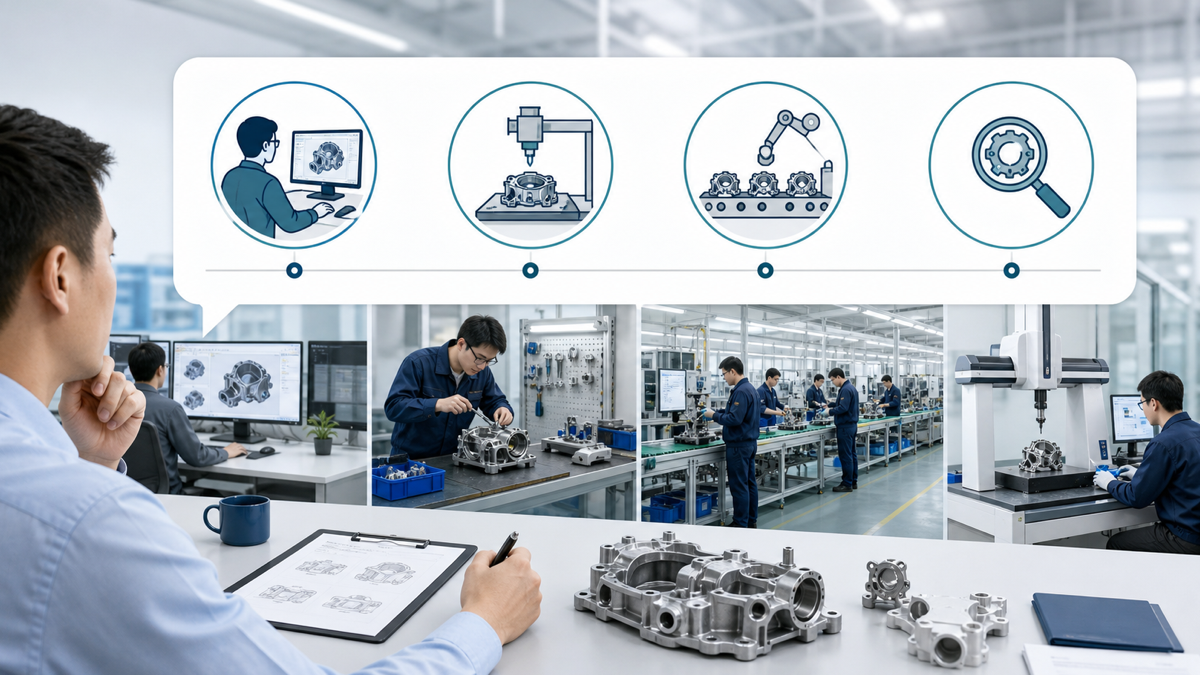
A polished showroom cannot prove these capabilities. A structured factory audit and supplier-verification process can reveal whether design intent, production control, and quality evidence connect inside the same organization.
Match Innovation To Your Market
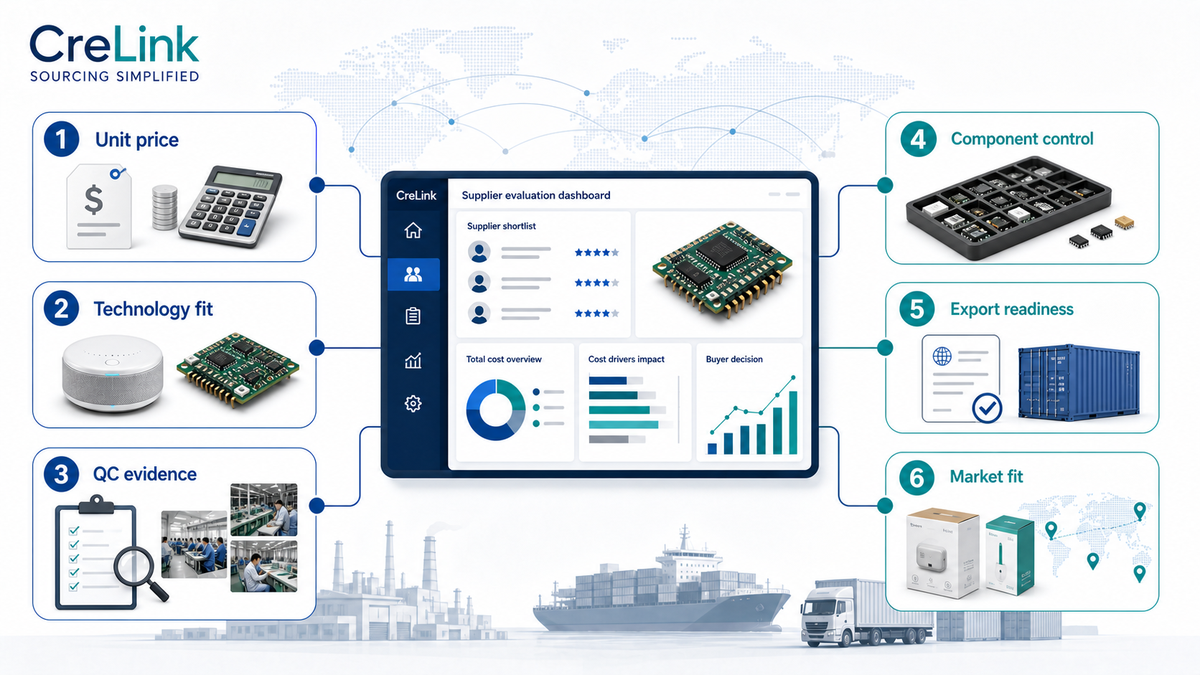
Technical strength alone does not guarantee a successful import program. The supplier must also understand the buyer's target market, order volume, compliance needs, price position, customization scope, and after-sales expectations.
Before requesting a quotation, give suppliers a disciplined product brief. Define the customer problem, essential functions, acceptable trade-offs, target channel, packaging needs, and validation plan. Then compare how each supplier responds. An engineering-led partner should identify risks and ask useful questions rather than agreeing to every request immediately.
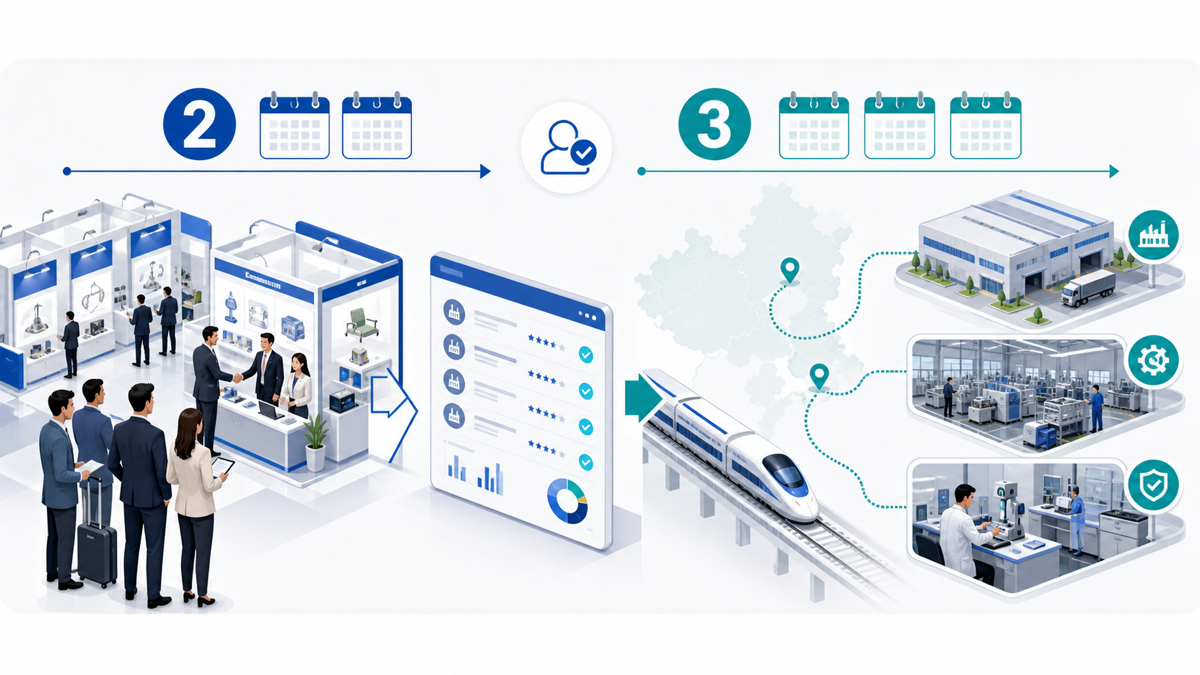
This is where a China sourcing agent and supplier verification service can add value. The job is not simply to collect prices. It is to map relevant industrial clusters, find suppliers that fit the project, verify technical claims, coordinate samples and factory visits, and keep product sourcing in China connected to market requirements.
Source Capability, Not A Country Stereotype
Treating China as only a low-cost production base can hide valuable suppliers. Treating every innovative claim as true is equally risky. The practical position sits between those extremes: use the depth of China's manufacturing ecosystem, then verify the specific company, team, process, and product evidence.
CreLink helps overseas buyers connect product requirements with suitable factories, on-site verification, customization evaluation, and market-oriented support.
The next sourcing advantage may not come from finding another factory that can make the same item. It may come from finding an engineering team that can help build a better one. To compare engineering evidence for a live project, send CreLink the product brief.